HP contact form
We will get back to you as soon as possible.
Please try again later.
resources
Express Pest Services Knowledge Hub: Oklahoma Pest Guide
Understanding local pest behavior, seasonal life cycles, and early warning signs is the first line of defense in protecting your home and family. Oklahoma’s dynamic weather patterns and native vegetation create shifting pest activity throughout the year.
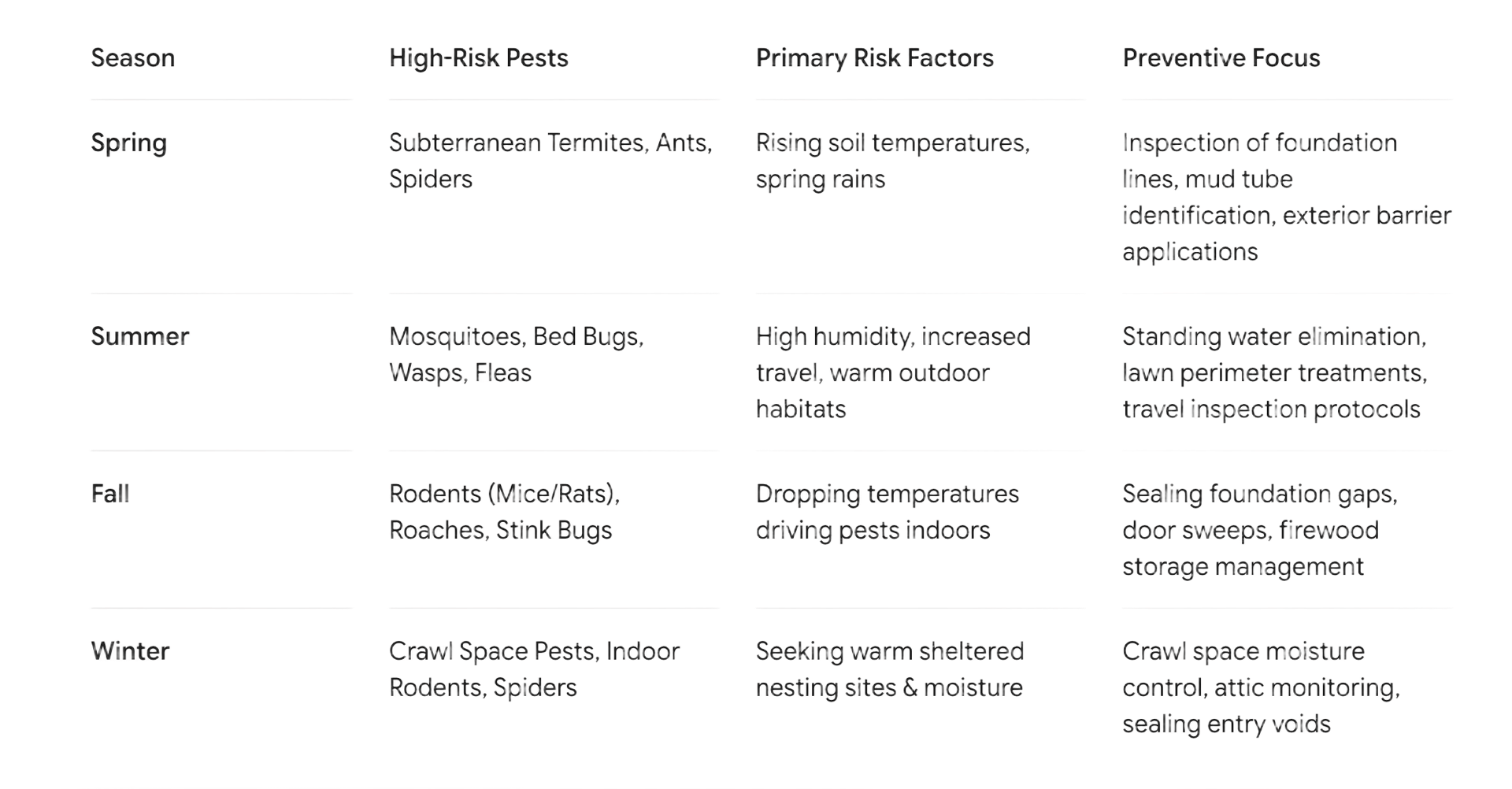
Seasonal Pest Calendar for Central Oklahoma
Pest pressures change dramatically as weather transitions. Use this seasonal breakdown to stay ahead of potential infestations.
1. Bed Bug Biology & Early Detection
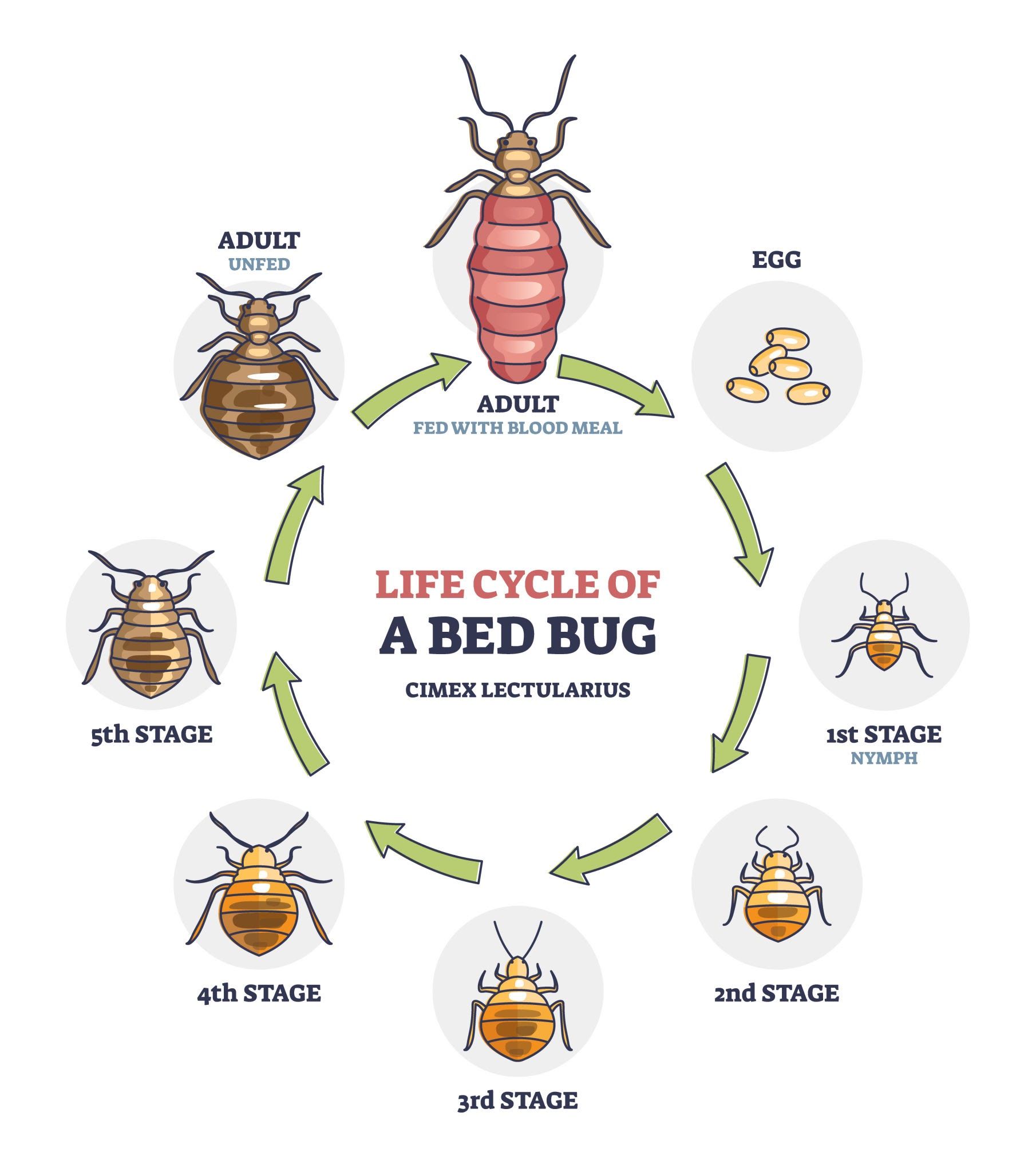
Bed bugs pass through five nymphal stages before reaching adulthood, requiring a blood meal at each stage to molt. Because adult females lay up to five eggs per day, early identification is crucial before an infestation spreads across multiple rooms.
Key Indicators:
Small, rust-colored or dark reddish spots on mattress seams, box springs, or bed frames.
- Shed nymphal skins or tiny white oval eggs (approx. 1 mm) in fabric folds.
- Unexplained line or cluster bites appearing after sleep.
2. Termites vs. Carpenter Ants
- Distinguishing between wood-destroying insects is critical for applying the correct treatment protocol.
- Subterranean Termites: Eat the cellulose inside structural wood, leaving thin outer layers intact. Look for mud tubes running up foundation walls, discarded translucent swarmer wings on window sills, and hollow-sounding baseboards.
- Carpenter Ants: Do not eat wood; instead, they hollow out galleries to build nests. Look for frass (fine wood shavings resembling sawdust mixed with insect parts) near wooden structures.
3. Crawl Space Vulnerabilities & Moisture Control
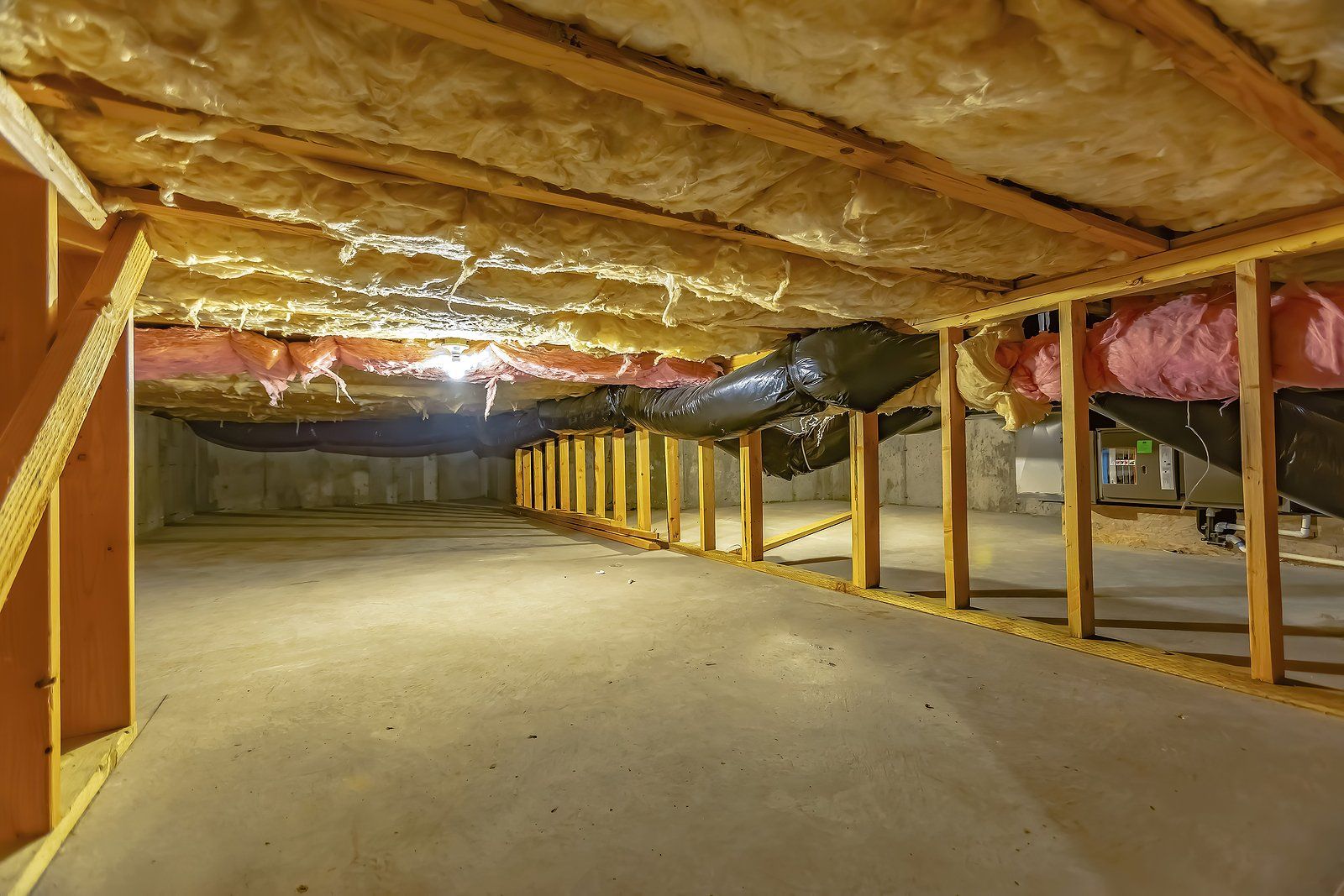
- Your home’s crawl space regulates airflow and moisture levels throughout the entire structure. Excessive humidity creates an ideal environment for wood rot fungi, earwigs, subterranean termites, and rodents.
- Vapor Barriers: Heavy-duty polyethylene barriers isolate ground moisture, preventing soil dampness from evaporating into structural joists.
- Exclusion & Sealing: Closing gaps around crawl space vents and utility penetrations stops rodents and crawling insects before they establish nesting colonies beneath your floors.
Essential Homeowner Prevention Checklist
- Maintain Exterior Clearance: Keep vegetation, shrubbery, and mulch trimmed at least 12 inches away from the home foundation.
- Eliminate Moisture Accumulation: Ensure gutters drain at least 3–5 feet away from walls and repair leaking hose bibbs immediately.
- Elevate Outdoor Storage: Store firewood stacked off the ground and away from exterior walls.
- Inspect Entry Points: Examine weather stripping under doors, utility line entry points, and window screens twice annually.